
Whoa! I’m talking about browser wallets again. For years I used them like everybody else — fast swaps, quick approvals, zero friction. But something felt off when a friend lost funds to a fake dApp; my instinct said “somethin’ smells wrong” and I started paying attention to the little things. Initially I thought all extensions were interchangeable, but reality hit soon after: permission models, signature wording, and hidden approvals really do matter.
Really? Yeah. Rabby Wallet landed on my radar during that period of paranoia. I installed it and began clicking through every setting like a person trying to find the back door. My first impression was cautious optimism; the UI was clean, and the prompts actually said what they meant. My gut reaction — hmm — was that the team had thought about everyday mistakes people make and tried to design against them. Then I dug deeper and compared how Rabby surfaces internal contract calls versus how other wallets hide them.
Hmm… Security is layered, and UX is one of those layers. You can have the best cryptography in the world, but if the UI encourages blind signing, you’re sunk. On one hand, hardware wallets are the strongest anchors for key material, though actually they become a UX bottleneck if integration is poor, and people bypass them. So an extension that plays nice with hardware and clarifies every signature has outsized value. Rabby does a reasonable job here by making hardware connection straightforward and by showing full call details.
Seriously? Yes — because here’s what bugs me about many extensions: they bundle approvals, trust a site forever, and then act surprised when users get exploited. They make decisions for you, then blame confusion when things go wrong. During my testing, Rabby’s granular permission controls stood out — quick deny options, clear allow scopes, and a transaction preview that lists functions and arguments instead of a vague “Approve” button.
Here’s the thing. I won’t pretend Rabby is flawless — no wallet is. There are trade-offs between adding extra confirmation steps and keeping everyday flows snappy; too many prompts and people just approve without reading. Initially I assumed more friction would annoy everyone, but testing showed people actually caught oddities when prompts were informative. I’m biased, but I prefer clarity over magic in wallet UX, even if it slows certain flows a little.
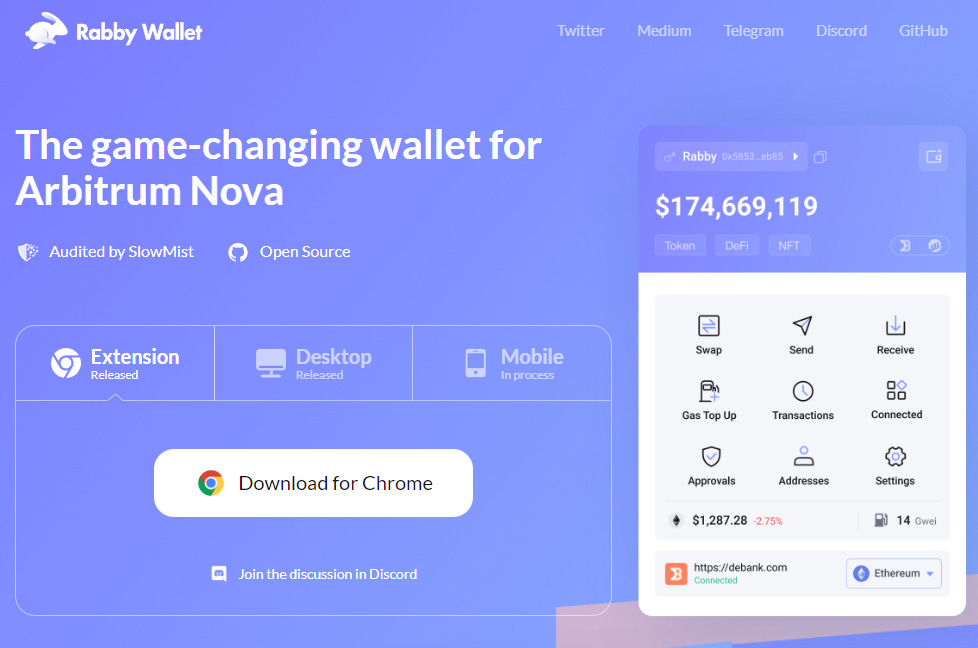
Where to get it and why verification matters
If you want to try Rabby safely, download it from the official source: https://sites.google.com/cryptowalletextensionus.com/rabby-wallet-download/ — double-check the publisher and read recent community notes before you install.
A quick note. Rabby is not a silver bullet and it won’t save anyone who gleefully signs whatever a malicious dApp shows them. Education still matters — know the counterparty, inspect the function names, and treat approvals like financial permissions rather than rote taps. Sometimes people trust a site because it looks familiar or because a popup claims “trusted,” but visual similarity isn’t trust. So use small amounts and testnets when you’re trying unfamiliar protocols.
Who’s this for? Casual users want sane defaults that protect them from common traps. Power users want the ability to inspect internal calls, adjust gas, and manage per-site account scopes. Rabby tries to straddle both worlds by offering automation where it’s low-risk and clarity where it isn’t, which reduces attack surface without throwing away advanced features. That design choice felt practical to me — like a locksmith on Main Street who also knows enterprise security.
Somethin’ to watch: permission creep. Keep an eye on token allowances, contract upgrades, and approvals you made months ago during a “curious experiment.” I found a few lingering allowances from wallet hops and DEX tests that were weirdly permissive. Revoking those in one place felt empowering — a little bit like cleaning out a messy garage where you find stuff you forgot you owned.
Oh, and by the way… always cross-check the extension identity and reviews in community channels before trusting it with significant funds. There are copycats and impostors in browser stores, so verifying the publisher, looking for audits, and preferring active, transparent teams reduces risk. Back up your seed and keep it offline — recovery is unforgiving and there are no refunds in DeFi.
FAQ
Is Rabby open source and audited?
Short answer: largely yes. Rabby publishes much of its codebase and has undergone third-party reviews; however audits are a snapshot in time, so check the latest reports and community feedback. Initially I trusted a repo because of a badge, but then I dug into changelogs and found small omissions — so read the audits yourself or rely on multiple signals.
Can I import my seed phrase?
Yes, you can import a seed phrase, but do so cautiously. Use a clean device, back up the phrase offline, and consider hardware-backed accounts for sizable holdings. I’m not 100% sure that every migration will be seamless — sometimes metadata and account labels don’t transfer — so plan the move and test with tiny amounts first.
What about allowances and revocations?
Revocation deserves front-and-center placement in any wallet. Rabby surfaces allowances so you can revoke them quickly, which reduces long-term risk. If you like the idea of tidy permissions, this part will make you feel better, very very much.
I’ll be honest: nothing replaces vigilance. My experience with Rabby convinced me that thoughtful UX coupled with clear permission models materially reduces common DeFi hazards. On one hand, users must still learn to read prompts; on the other, tools that err on the side of transparency help even nontechnical people avoid mistakes. So if you’re juggling multiple dApps and accounts, try tools that force you to understand what you’re signing instead of pretending magic will keep you safe — somethin’ to live with, and something to improve over time…